Best Income Strategies To Qualify For Bigger Credit Limits: Boost Your Income And Improve Your Credit Score

Delving into Best Income Strategies to Qualify for Bigger Credit Limits, this introduction immerses readers in a unique and compelling narrative. Exploring ways to increase income and enhance credit scores, this guide offers practical tips and insights for achieving higher credit limits.
Understanding the correlation between income, credit scores, and credit limits is crucial for financial success. By implementing the strategies outlined in this guide, individuals can position themselves for greater financial opportunities and stability.






Strategies to Increase Income for Qualifying for Higher Credit Limits
Increasing your income is a key factor in qualifying for higher credit limits. Here are some strategies to consider:
Side Hustles and Freelancing
- Consider taking on a side hustle or freelancing gig to supplement your primary income.
- Examples include freelance writing, graphic design, pet sitting, or driving for ride-sharing services.
- A side hustle can provide an additional source of income to boost your overall earnings.
Investing in Passive Income Sources
- Explore investing in dividend-paying stocks, real estate, or peer-to-peer lending platforms to generate passive income.
- Passive income can help increase your overall income without requiring active time and effort.
- Having multiple streams of income, including passive sources, can demonstrate financial stability to credit card issuers.
Enhancing Skills and Education
- Consider investing in further education or training to enhance your skills and qualifications.
- Higher education or specialized certifications can lead to better job opportunities and higher-paying roles.
- A higher income from a well-paying job can increase your chances of qualifying for a larger credit limit.
Importance of Credit Scores in Qualifying for Bigger Credit Limits
Having a good credit score is crucial when it comes to qualifying for higher credit limits. Credit scores play a significant role in determining the amount of credit a person can access from financial institutions.
Credit Score Ranges and Credit Limit Tiers
Credit scores are typically categorized into ranges, such as poor, fair, good, very good, and excellent. The credit score range a person falls into directly impacts the credit limit they can qualify for. For example, individuals with excellent credit scores are more likely to be approved for higher credit limits compared to those with fair or poor credit scores.
- Excellent Credit Score (750-850): Individuals with excellent credit scores are likely to qualify for the highest credit limits available. Lenders view them as low-risk borrowers and are more willing to extend larger credit lines.
- Good Credit Score (700-749): People with good credit scores also have access to decent credit limits, although they may not be as high as those with excellent credit scores. Lenders consider them less risky than average borrowers.
- Fair Credit Score (650-699): Individuals with fair credit scores may qualify for moderate credit limits, but they might face higher interest rates and stricter terms compared to those with good or excellent credit scores.
- Poor Credit Score (300-649): Those with poor credit scores often struggle to qualify for high credit limits. They may need to work on improving their credit score before being considered for larger credit lines.
Relationship Between Income, Credit Score, and Credit Limits
Income is another crucial factor that influences the credit limit a person can qualify for. While credit scores indicate a person’s creditworthiness, income is used to assess their ability to repay the borrowed amount. Lenders often consider both factors when determining the credit limit to offer.
Utilizing Credit Responsibly to Qualify for Higher Limits
When it comes to qualifying for higher credit limits, responsible credit card usage plays a crucial role in demonstrating your creditworthiness to lenders. By following some key tips and best practices, you can improve your chances of securing a bigger credit limit.
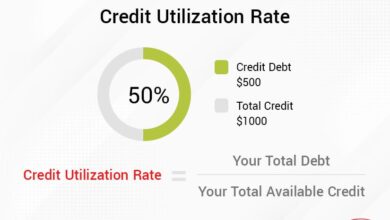
Credit utilization ratios have a significant impact on your credit score and, ultimately, your ability to qualify for higher credit limits. It’s important to keep your credit utilization below 30% to show lenders that you can responsibly manage your available credit.
Impact of Timely Payments
Making timely payments on your credit card bills is essential for building a positive credit history. By paying your bills on time each month, you can demonstrate to lenders that you are a reliable borrower, which can increase your chances of qualifying for a higher credit limit.
Maintaining a Low Debt-to-Income Ratio
Your debt-to-income ratio is another important factor that lenders consider when determining your credit limit. By keeping your debt levels low in comparison to your income, you can show lenders that you have the financial capacity to handle a higher credit limit responsibly. This can help improve your creditworthiness and increase your chances of qualifying for a bigger credit limit.
Building a Strong Credit History to Qualify for Higher Credit Limits
Building a positive credit history is crucial when it comes to qualifying for higher credit limits. Lenders often look at your credit history to assess your creditworthiness and determine the level of risk associated with lending you more money. A strong credit history demonstrates responsible credit management and makes you a more attractive borrower.
Actions to Build a Robust Credit History
- Make timely payments on all your credit accounts, including credit cards, loans, and mortgages. Payment history is a significant factor in your credit score and overall creditworthiness.
- Keep your credit card balances low and aim to pay off the full balance each month. High credit card utilization can negatively impact your credit score.
- Avoid opening multiple new credit accounts within a short period. Each new account can temporarily lower your average account age, affecting your credit score.
- Regularly monitor your credit report for errors and dispute any inaccuracies promptly. A clean credit report reflects positively on your credit history.
Impact of Credit History Length and Types of Credit Accounts
Your credit history length and the types of credit accounts you have also play a role in credit limit decisions. A longer credit history demonstrates your ability to manage credit over time, while a diverse mix of credit accounts, such as credit cards, installment loans, and mortgages, shows that you can handle different types of credit responsibly.
Ultimate Conclusion
In conclusion, mastering the best income strategies to qualify for bigger credit limits is essential for maximizing financial potential. By following the advice provided in this guide, individuals can pave the way for a stronger financial future and greater access to credit opportunities.