Best Tips To Get Approved For Premium Credit Cards With High Limits: A Comprehensive Guide

Best Tips to Get Approved for Premium Credit Cards with High Limits: A Comprehensive Guide dives into the strategies and insights to secure premium credit cards with high limits, offering valuable advice for financial success.
Explore the key factors involved in researching premium credit cards, understanding credit score requirements, managing debt and utilization, building a strong credit history, and maximizing income and assets for optimal approval chances.






Researching Premium Credit Cards
When looking to apply for a premium credit card with a high limit, it’s important to do your research to ensure you find the best option for your financial needs. Here are some tips on how to effectively research premium credit cards:
Key Factors to Consider
- Interest Rates: Compare the annual percentage rates (APRs) offered by different premium credit cards to ensure you’re getting a competitive rate.
- Rewards and Benefits: Look into the rewards programs and benefits offered by each card, such as cash back, travel rewards, or purchase protection.
- Fees: Consider the annual fees, late payment fees, and any other charges associated with the card to determine if it aligns with your budget.
- Credit Limit: Check the credit limit offered by each card to see if it meets your spending needs and financial goals.
Identifying the Best Card
- Assess Your Spending Habits: Determine which rewards program aligns best with your spending habits to maximize the benefits you can earn.
- Review Credit Score Requirements: Check the minimum credit score required for each card to ensure you meet the eligibility criteria.
- Read Reviews: Look for reviews and feedback from cardholders to get an idea of the customer experience and satisfaction with the card.
- Consider Additional Features: Take into account any additional features offered by the card, such as travel insurance, concierge services, or purchase protection.
Understanding Credit Score Requirements
When it comes to getting approved for premium credit cards with high limits, understanding credit score requirements is crucial. Your credit score plays a significant role in determining your eligibility for these cards.
Importance of Credit Scores
Credit scores are a reflection of your creditworthiness and financial responsibility. Lenders use this information to assess the risk of lending to you. Premium credit cards with high limits typically require a good to excellent credit score to qualify.
Typical Credit Score Range
To qualify for premium credit cards, you generally need a credit score in the range of 720 to 850. This range falls within the “good” to “excellent” categories and demonstrates a strong credit history and responsible financial behavior.
Strategies to Improve Credit Scores
- Pay your bills on time: Timely payments are crucial for maintaining a good credit score.
- Reduce credit card balances: Keeping your credit utilization low can positively impact your credit score.
- Monitor your credit report: Regularly checking your credit report can help you identify and address any errors that may be affecting your score.
- Limit new credit applications: Opening multiple new accounts in a short period can lower your average account age and potentially harm your credit score.
- Use credit responsibly: Demonstrating responsible credit usage over time can help improve your credit score.
Managing Debt and Utilization
When it comes to getting approved for premium credit cards with high limits, managing your debt and credit utilization is crucial. Lenders want to see responsible financial behavior, so showing that you can manage your existing debt effectively can improve your chances of approval.
Significance of Credit Utilization Ratio
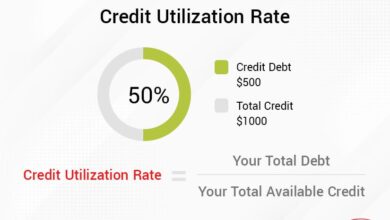
Maintaining a low credit utilization ratio is key to demonstrating responsible credit management. This ratio is the amount of credit you are currently using compared to the total amount of credit available to you. Lenders prefer to see a utilization ratio of 30% or lower, as it shows that you are not overly reliant on credit and can manage your finances well.
- A high credit utilization ratio can signal to lenders that you may be overextended financially, which can negatively impact your credit card approval chances.
- By keeping your credit utilization low, you show that you are a low-risk borrower who is likely to repay debts on time.
- Regularly monitoring and lowering your credit utilization can help boost your credit score over time, making you more attractive to premium credit card issuers.
Strategies to Lower Credit Utilization
One effective strategy to lower your credit utilization is to pay down existing balances and avoid maxing out your credit cards.
- Avoid closing old credit accounts, as this can decrease your total available credit and increase your utilization ratio.
- Request a credit limit increase on your current cards to reduce your overall utilization ratio without taking on new debt.
- Consider using a balance transfer to consolidate high-interest debt onto a card with a lower interest rate, making it easier to pay off.
- Create a budget and stick to it to ensure you are not spending beyond your means and increasing your credit utilization inadvertently.
Building a Strong Credit History
Building a strong credit history is crucial when aiming to get approved for premium credit cards with high limits. Lenders assess your credit history to determine your creditworthiness and financial responsibility.
The Importance of Timely Payments
- Make sure to pay your bills on time every month to demonstrate responsible financial behavior.
- Late payments can have a negative impact on your credit score and signal to lenders that you may be a risky borrower.
- Set up automatic payments or reminders to ensure you never miss a payment deadline.
Credit Mix and Length of Credit History
- Having a mix of different types of credit accounts, such as credit cards, loans, and a mortgage, can show that you can manage various types of debt responsibly.
- Having a longer credit history demonstrates a track record of managing credit accounts over time, which can boost your creditworthiness.
- Avoid closing old credit accounts, as they contribute to the length of your credit history.
Guidance on Building and Maintaining a Positive Credit History
- Regularly check your credit report for errors and dispute any inaccuracies to maintain an accurate credit profile.
- Keep your credit utilization low by not maxing out your credit cards and paying off balances in full each month.
- Avoid opening multiple new credit accounts at once, as this can signal financial instability to lenders.
Maximizing Income and Assets
In order to increase your chances of getting approved for premium credit cards with high limits, it is important to focus on maximizing your income and assets. Credit card issuers look at these factors to assess your financial stability and reliability.
Increasing Income Levels
One way to improve your financial profile is to increase your income levels. This can be achieved through various means such as negotiating a raise at your current job, taking on a part-time job, or starting a side hustle. By showcasing a higher income, you are more likely to be seen as a low-risk borrower by credit card issuers.
Growing Assets
Aside from income, building up your assets can also help strengthen your financial standing. This can include investments, savings, properties, or other valuable possessions. By demonstrating that you have substantial assets, you present yourself as someone with financial stability and the ability to repay any credit card debt.
Diversifying Income Sources
Having multiple streams of income can further enhance your financial profile. This can involve investments, rental income, dividends, or any other sources of revenue. By diversifying your income sources, you show credit card issuers that you have a stable financial foundation and are capable of managing credit responsibly.
Maintaining Consistency
Consistency in income and asset growth is key to proving your financial reliability. Make sure to track your financial progress, set financial goals, and consistently work towards increasing your income and assets. By demonstrating a pattern of financial growth, you are more likely to be considered for premium credit cards with higher limits.
Ultimate Conclusion
In conclusion, mastering these tips and implementing them wisely can significantly improve your chances of getting approved for premium credit cards with high limits, paving the way for a stronger financial future.