Delving into How to Build Credit Score to Unlock High Limit Credit Cards, this introduction immerses readers in a unique and compelling narrative, with casual formal language style that is both engaging and thought-provoking from the very first sentence.
Understanding the basics of credit scores is crucial in navigating the complex world of financial opportunities. By strategically building your credit score, you can unlock high limit credit cards that offer a range of benefits. This guide will provide you with essential tips and strategies to enhance your credit score effectively.






Understand the Basics of Credit Scores
A credit score is a numerical representation of an individual’s creditworthiness, indicating how likely they are to repay borrowed money. It plays a crucial role in determining the interest rates on loans, credit limits, and overall financial opportunities available to an individual.
Calculation of Credit Scores
- Credit scores are typically calculated based on information from credit reports provided by credit bureaus.
- Factors such as payment history, credit utilization, length of credit history, types of credit used, and new credit applications are taken into account.
- Each factor has a different weight in the calculation, with payment history usually carrying the most significant impact.
Factors Influencing Credit Scores
- Payment History: Timely payments on credit accounts contribute positively to the credit score.
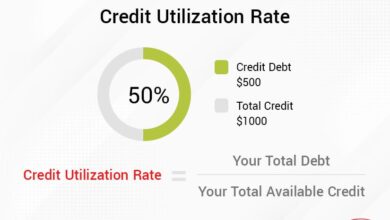
- Credit Utilization: The percentage of available credit being used can impact the score, with lower utilization ratios generally viewed favorably.
- Length of Credit History: A longer credit history can demonstrate responsible credit management and positively affect the score.
- Types of Credit Used: Having a mix of credit types, such as revolving and installment accounts, can benefit the score.
- New Credit Applications: Multiple recent credit inquiries or new accounts can potentially lower the credit score.
Importance of Credit Building
Building a good credit score is crucial for financial stability and access to various opportunities.
Benefits of Having a Good Credit Score
- Qualify for lower interest rates on loans and credit cards.
- Increased chances of approval for rental applications.
- Ability to secure better insurance premiums.
- Access to higher credit limits and premium credit card offers.
High Credit Score and Approval for High Limit Credit Cards
A high credit score demonstrates responsible financial behavior and makes you a desirable candidate for high limit credit cards. Lenders are more likely to approve your application and offer you attractive terms when you have a strong credit history.
Relationship Between Credit Scores and Financial Opportunities
Your credit score acts as a mirror reflecting your financial reliability. A good credit score opens doors to better loan options, favorable interest rates, and premium credit card rewards. It also showcases your ability to manage credit responsibly, which can lead to various financial opportunities and benefits in the long run.
Strategies to Build Credit Score
Building a solid credit score is essential for unlocking high limit credit cards. Here are some effective strategies to help boost your credit score:
Making Timely Payments
- Always pay your bills on time to avoid late payment fees and negative marks on your credit report.
- Set up automatic payments or reminders to ensure you never miss a payment deadline.
- Consistently making payments on time can significantly improve your credit score over time.
Keeping Credit Utilization Low
- Keep your credit card balances low in relation to your credit limit. Ideally, aim to use no more than 30% of your available credit.
- High credit utilization can indicate financial strain and negatively impact your credit score.
- Regularly monitor your credit card balances and aim to pay off your balances in full each month to keep utilization low.
Impact of Opening New Credit Accounts
- Opening new credit accounts can initially lower your credit score due to the hard inquiry and decreased average account age.
- However, responsibly managing new credit accounts by making timely payments and keeping balances low can ultimately boost your credit score in the long run.
- Consider the potential impact on your credit score before opening multiple new credit accounts within a short period.
Types of Credit Accounts to Consider
When building your credit score, it’s important to consider the different types of credit accounts available to you. Each type of account can impact your credit score in different ways, so understanding the options can help you make informed decisions.
Credit Cards
- Credit cards are a common way to build credit as they allow you to make purchases on credit and demonstrate responsible repayment behavior.
- Using a credit card responsibly by making on-time payments and keeping your credit utilization low can help improve your credit score.
- High limit credit cards are often reserved for those with excellent credit scores, so building a strong credit history with regular credit card use is essential.
Secured Credit Cards
- Secured credit cards require a security deposit as collateral, making them an accessible option for those with limited or poor credit history.
- Using a secured credit card responsibly can help establish a positive credit history and eventually qualify you for unsecured credit cards with higher limits.
- Make sure to choose a secured credit card with low fees and report your payments to all three major credit bureaus for maximum impact on your credit score.
Installment Loans
- Installment loans, such as personal loans or auto loans, involve borrowing a fixed amount of money and repaying it over a set period with regular payments.
- Having installment loans in your credit mix can demonstrate your ability to manage different types of credit responsibly, which can boost your credit score.
- Make timely payments on your installment loans to show lenders that you are a reliable borrower, leading to potential credit limit increases and better loan terms in the future.
Monitoring and Maintaining Credit Score
After building your credit score, it is crucial to monitor and maintain it to ensure financial stability and access to high limit credit cards.
Regular Monitoring of Credit Score
- Check your credit score regularly through free services like Credit Karma or through your credit card issuer.
- Set up alerts for any significant changes in your credit score to address issues promptly.
- Monitor your credit utilization ratio to keep it below 30% for optimal credit health.
Importance of Reviewing Credit Reports
- Review your credit reports from major credit bureaus (Equifax, Experian, TransUnion) annually for accuracy.
- Look for any errors or fraudulent activity that could negatively impact your credit score.
- Dispute any inaccuracies found on your credit report to maintain a correct credit profile.
Tips for Maintaining a Good Credit Score
- Pay your bills on time to avoid late payments affecting your credit score.
- Avoid opening multiple new credit accounts in a short period to prevent inquiries impacting your score.
- Keep old accounts open to maintain a longer credit history and improve your credit score.
- Use credit responsibly and only borrow what you can afford to repay to avoid debt accumulation.
Outcome Summary
In conclusion, mastering the art of building credit score opens doors to high limit credit cards and various financial opportunities. By implementing the strategies discussed in this guide, you can take control of your financial future and achieve your goals with confidence.