How to Get Approved for High Limit Cards as a Beginner opens the door to a world of financial possibilities, equipping you with the knowledge needed to navigate the credit card landscape successfully.
This guide will walk you through the essential steps to secure high limit cards, from understanding the basics to improving your credit score and preparing a strong application.





Understand the Basics
High limit credit cards are credit cards that offer a higher credit limit compared to standard cards. These cards are typically offered to individuals with good credit history and are considered a sign of financial stability.
Benefits of Having a High Limit Card
- Flexibility in spending: With a higher credit limit, you have more purchasing power and can make larger transactions if needed.
- Rewards and perks: High limit cards often come with attractive rewards programs, cashback offers, and other benefits that can help you save money or earn rewards on your purchases.
- Emergency funds: In case of unexpected expenses or emergencies, having a high limit card can provide a safety net to cover the costs.
Importance of Credit Score
Maintaining a good credit score is crucial in obtaining high limit credit cards. Lenders use your credit score to assess your creditworthiness and determine the risk of lending to you. A higher credit score indicates responsible financial behavior and increases your chances of getting approved for a high limit card.
Tips for Building a Good Credit History
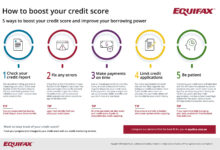
- Pay bills on time: Timely payments are one of the most important factors in building a good credit history. Set up automatic payments or reminders to ensure you never miss a payment.
- Keep credit utilization low: Aim to keep your credit utilization ratio below 30% to show that you can manage credit responsibly.
- Monitor your credit report: Regularly check your credit report for any errors or suspicious activity that could negatively impact your credit score.
- Use credit responsibly: Only apply for credit when necessary and avoid opening multiple accounts within a short period of time.
Choose the Right Card
When it comes to selecting a high limit card as a beginner, it is crucial to consider various factors to ensure you make the right choice. Understanding the different types of high limit cards available, along with their rewards, perks, and fees, can help you make an informed decision.
Types of High Limit Cards
High limit cards come in various forms, including:
- Travel Rewards Cards: These cards offer points or miles that can be redeemed for travel-related expenses.
- Cash Back Cards: These cards provide cash back on purchases, offering a percentage of your spending back to you.
- Rewards Cards: These cards offer rewards such as gift cards, merchandise, or discounts on future purchases.
- Secured Cards: These cards require a security deposit but can help build credit and potentially increase your credit limit over time.
Criteria to Consider
When selecting a high limit card, consider the following criteria:
- Annual Percentage Rate (APR)
- Credit Limit
- Rewards Program
- Annual Fees
- Introductory Offers
- Customer Service
Rewards and Perks Comparison
Comparing the rewards and perks offered by different high limit cards can help you determine which card aligns best with your spending habits and lifestyle. Consider factors such as:
- Sign-up Bonuses
- Travel Benefits
- Cash Back Rates
- Rewards Redemption Options
- Additional Benefits (e.g., airport lounge access, travel insurance)
Impact of Annual Fees
While high limit cards may offer attractive rewards and perks, it’s essential to weigh the impact of annual fees on your overall spending and benefits. Some cards may have higher annual fees but provide substantial rewards that outweigh the cost, while others may offer no annual fee but fewer perks.
Improve Your Credit Score
Boosting your credit score is crucial before applying for high limit cards to increase your chances of approval and favorable terms.
Significance of Low Credit Utilization Ratio
Maintaining a low credit utilization ratio is key in improving your credit score. This ratio represents the amount of credit you are using compared to your total available credit limit. Keeping this ratio low shows lenders that you are responsible with credit and can help boost your score.
Tips for Making Timely Payments
- Set up automatic payments to ensure you never miss a due date.
- Make at least the minimum payment each month to avoid negative marks on your credit report.
- Consider paying more than the minimum to reduce your overall balance faster.
Role of Credit Inquiries
Credit inquiries can impact your credit score, so it’s important to be mindful of how many inquiries you have. Hard inquiries, which occur when you apply for credit, can temporarily lower your score. Try to limit the number of hard inquiries on your credit report to maintain a healthy score.
Prepare a Strong Application
When applying for a high limit credit card, it is crucial to prepare a strong application to increase your chances of approval. This involves gathering the necessary documents, providing accurate information, and showcasing a strong financial profile.
Checklist of Documents
- Evidence of income (pay stubs, tax returns)
- Proof of identity (driver’s license, passport)
- Proof of address (utility bills, lease agreement)
- Credit report
Importance of Accurate Information
Accurate information on your application form is essential as any discrepancies or false information can lead to rejection. Make sure to double-check all details before submitting your application to avoid any issues.
Crafting a Convincing Cover Letter
Include a brief explanation of why you are applying for the high limit card and how you plan to responsibly manage your credit.
A well-written cover letter can help personalize your application and highlight your intentions to use the card wisely. Focus on your financial goals and responsible credit behavior to make a strong case for approval.
Strong Financial Profile
- Maintain a good credit score by making timely payments and keeping your credit utilization low.
- Reduce existing debt and demonstrate a stable income to show lenders that you are a reliable borrower.
- Include any additional assets or investments to strengthen your financial profile.
Understand Rejection Reasons
When applying for high limit credit cards as a beginner, it’s crucial to understand the common reasons why your application may be rejected. By being aware of these factors, you can take proactive steps to improve your chances of approval in the future.
To begin with, having a limited credit history can significantly impact your chances of getting approved for a high limit card. Credit card companies rely on your credit history to assess your creditworthiness, and without a robust credit history, they may view you as a higher risk borrower.
Impact of Limited Credit History
Having a limited credit history can make it challenging to demonstrate your ability to manage credit responsibly. As a result, credit card companies may be hesitant to approve you for a high limit card, as they have less information to assess your creditworthiness.
One way to address this issue is to start building your credit history by applying for a secured credit card or becoming an authorized user on someone else’s credit card. By using credit responsibly and making timely payments, you can gradually build a positive credit history.
High Debt-to-Income Ratio
A high debt-to-income ratio can also impact your credit card application. If you have significant outstanding debt compared to your income, credit card companies may view you as financially stretched and may be reluctant to extend a high credit limit to you.
To improve your chances of approval, focus on paying down your existing debts and reducing your debt-to-income ratio. By demonstrating that you can manage your debt responsibly, you can increase your chances of getting approved for a high limit card in the future.
Strategies to Address Rejection
If your application for a high limit card is rejected, don’t get discouraged. Instead, take proactive steps to address the rejection and improve your chances in the future.
- Review your credit report to identify any errors or discrepancies that may have impacted the decision.
- Consider applying for a secured credit card to build your credit history and demonstrate responsible credit usage.
- Focus on improving your credit score by making timely payments, keeping your credit utilization low, and avoiding new credit inquiries.
- Wait for some time before applying for another high limit card to allow for any negative factors to diminish and for your credit profile to strengthen.
Final Thoughts
In conclusion, mastering the art of acquiring high limit cards as a beginner is within reach with the right knowledge and strategies at your disposal. By following the tips outlined in this guide, you can set yourself up for financial success and access exclusive benefits and rewards.