Kicking off with How to Get Approved for High Limit Cards Without Income Proof, this opening paragraph is designed to captivate and engage the readers, providing an interesting overview of the topic. High limit cards offer unique benefits, and understanding the factors influencing approval without income proof is crucial. Building a strong credit profile is essential, along with knowing the differences between secured and unsecured high limit cards. Let’s delve into these key aspects to help you navigate the world of credit cards.
Understanding High Limit Cards
High limit cards are credit cards that offer a significantly higher credit limit compared to regular credit cards. These cards are typically reserved for individuals with a good credit score and a strong credit history. The higher credit limit allows cardholders to make larger purchases and access more credit when needed.






Benefits of High Limit Cards
- Flexibility in spending: High limit cards provide more flexibility when making big-ticket purchases or dealing with unexpected expenses.
- Improved credit utilization: With a higher credit limit, cardholders can maintain a lower credit utilization ratio, which can positively impact their credit score.
- Rewards and perks: Many high limit cards offer attractive rewards programs, cashback incentives, and exclusive perks for cardholders.
Popular High Limit Cards
| Card Name | Issuer | Minimum Credit Limit |
|---|---|---|
| Chase Sapphire Reserve | Chase | $10,000 |
| American Express Platinum Card | American Express | $5,000 |
| Citi Prestige Card | Citibank | $7,500 |
Factors Influencing Approval Without Income Proof
When applying for high limit cards without income proof, there are alternative methods to prove your financial stability. These methods can help strengthen your creditworthiness and increase your chances of approval.
Alternative Methods for Proving Financial Stability
- Provide proof of assets: You can show proof of savings, investments, or other assets to demonstrate your financial stability.
- Submit bank statements: Providing bank statements that show a healthy balance and consistent savings can help showcase your financial responsibility.
- Present proof of rental income: If you earn rental income, you can provide documentation to support your financial stability.
Comparison of High Limit Cards Requirements
- Income verification: Some high limit cards require traditional income proof such as pay stubs or tax returns.
- Asset-based approval: Other high limit cards may consider assets, investments, or savings in place of traditional income proof.
- Credit score importance: Regardless of the method used, a strong credit score is crucial for approval for high limit cards.
Tips to Strengthen Your Creditworthiness
- Pay bills on time: Consistently paying your bills on time can help improve your credit score and demonstrate financial responsibility.
- Keep credit utilization low: Try to keep your credit card balances low in relation to your credit limit to show responsible credit management.
- Monitor your credit report: Regularly check your credit report for errors and address any issues promptly to maintain a healthy credit profile.
Building a Strong Credit Profile
Maintaining a good credit score is crucial when seeking approval for high limit credit cards. Lenders use your credit score to evaluate your creditworthiness and ability to manage debt responsibly. Here are some strategies to help you improve your credit score before applying for high limit cards:
Importance of Maintaining a Good Credit Score
- Regularly check your credit report for errors and dispute any inaccuracies.
- Make timely payments on all your debts, including credit cards, loans, and bills.
- Keep your credit utilization ratio low by using only a small portion of your available credit.
- Avoid opening multiple new credit accounts within a short period of time.
- Consider using a secured credit card to build or rebuild credit if needed.
Impact of Credit Utilization Ratio
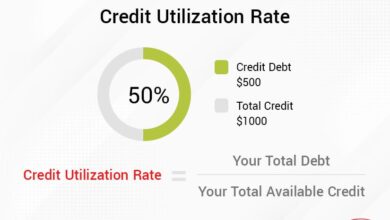
Maintaining a low credit utilization ratio is key to demonstrating responsible credit usage. This ratio is the amount of credit you are currently using compared to your total available credit. Lenders prefer to see a utilization ratio of 30% or lower. High credit utilization can indicate financial distress and may lower your credit score, potentially leading to rejection when applying for high limit cards. It’s important to pay down existing balances and avoid maxing out your credit cards to improve your credit utilization ratio and increase your chances of approval for high limit cards.
Secured vs. Unsecured High Limit Cards
When it comes to high limit credit cards, there are two main types to consider: secured and unsecured. Understanding the key differences between these two types can help you make informed decisions when applying for a high limit card.
Secured High Limit Cards
Secured high limit cards require a security deposit to be made by the cardholder. This deposit acts as collateral and reduces the risk for the issuer, making it easier to obtain a higher credit limit. Examples of popular secured high limit cards include the Discover it Secured Card and the Capital One Secured Mastercard.
- Advantages:
- Higher approval odds: Secured cards are easier to get approved for, even without income proof.
- Build credit: Responsible use of a secured card can help improve your credit score over time.
- Disadvantages:
- Security deposit: Requires an initial deposit, which may tie up funds temporarily.
- Limited perks: Secured cards may have fewer benefits compared to unsecured cards.
Unsecured High Limit Cards
Unsecured high limit cards do not require a security deposit and are based on the cardholder’s creditworthiness. Examples of popular unsecured high limit cards include the Chase Sapphire Preferred Card and the American Express Platinum Card.
- Advantages:
- No security deposit: No need to tie up funds with a security deposit.
- More perks: Unsecured cards often come with additional benefits and rewards.
- Disadvantages:
- Higher requirements: Approval for unsecured cards may be more challenging without income proof or a strong credit history.
- Risk of debt: Higher credit limits can lead to overspending and increased debt if not managed responsibly.
Closure
In conclusion, mastering the art of getting approved for high limit cards without income proof requires a strategic approach. By focusing on your creditworthiness, understanding the approval factors, and choosing the right type of card, you can increase your chances of success. Armed with this knowledge, you’re ready to take the next step towards financial freedom and responsible credit card usage.