Kicking off with How to Get High Credit Limit Cards Even with Average Credit Score, this opening paragraph is designed to captivate and engage the readers, setting the tone casual formal language style that unfolds with each word.
When it comes to credit limits, having an average credit score doesn’t have to limit your options. By understanding key factors and strategies, you can still access high credit limit cards. Let’s delve into the details.






Factors that Influence Credit Limit Approval
When applying for a credit card, there are several factors that can influence the approval of your credit limit. Understanding these factors can help you increase your chances of securing a higher credit limit, even with an average credit score.
Income Level Impact
Your income level plays a crucial role in determining the credit limit you may be approved for. Lenders assess your income to gauge your ability to repay the borrowed amount. A higher income level usually indicates a higher capacity to handle debt, which can lead to a higher credit limit being offered to you.
Credit Utilization
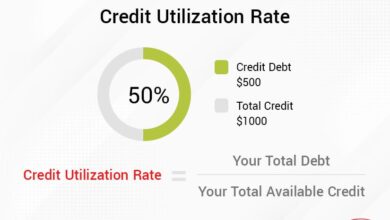
Credit utilization refers to the amount of credit you are currently using compared to the total amount of credit available to you. Lenders consider this ratio when determining your credit limit. Maintaining a low credit utilization ratio, ideally below 30%, demonstrates responsible credit management and can increase your chances of being approved for a higher credit limit.
Payment History
A good payment history is another crucial factor that can influence credit limit approval. Making timely payments on your existing credit accounts showcases your reliability as a borrower. Lenders are more likely to trust you with a higher credit limit if you have a history of on-time payments and responsible credit management.
Strategies to Increase Credit Limit with an Average Credit Score
When aiming to increase your credit limit with an average credit score, there are several strategies you can implement to improve your chances of approval and secure a higher limit.
Regularly checking your credit reports for accuracy is essential to ensure that there are no errors or discrepancies that could be negatively impacting your credit score. By monitoring your reports from the major credit bureaus, such as Equifax, Experian, and TransUnion, you can identify any inaccuracies and take steps to rectify them promptly.
Maintaining low credit card balances is another crucial factor that can influence your credit limit approval. Credit card companies are more likely to grant a higher credit limit to individuals who demonstrate responsible credit utilization by keeping their balances low relative to their credit limits. Aim to keep your credit card balances below 30% of your available credit to show that you can manage credit responsibly.
Negotiating a higher credit limit with your credit card companies can also be an effective strategy to increase your credit limit. Reach out to your credit card issuer and inquire about the possibility of a credit limit increase based on your positive payment history and responsible credit usage. Be prepared to provide documentation of your income and financial stability to support your request for a higher limit.
Ways to Negotiate a Higher Credit Limit
When negotiating a higher credit limit with your credit card company, it is important to approach the conversation strategically and professionally. Consider the following tips to increase your chances of a successful credit limit increase negotiation:
- Highlight your positive payment history and responsible credit card usage to demonstrate your creditworthiness.
- Provide documentation of your income and financial stability to support your request for a higher credit limit.
- Emphasize your loyalty as a customer and inquire about any available promotions or offers for credit limit increases.
- Be prepared to negotiate and be open to a counteroffer from the credit card company.
Impact of Credit Score on Credit Limit
Having a good understanding of how credit scores affect credit limits is crucial for managing your finances effectively. Your credit score plays a significant role in determining the amount of credit that lenders are willing to extend to you. Let’s delve into how credit scores are calculated and their influence on credit limits.
Credit Score Calculation and Influence
Credit scores are calculated based on various factors such as payment history, credit utilization, length of credit history, types of credit used, and new credit inquiries. These factors help lenders assess your creditworthiness and determine the level of risk associated with lending to you. A higher credit score indicates that you are more likely to repay your debts responsibly, making you a lower-risk borrower.
The relationship between credit score and credit limit offers is straightforward – the higher your credit score, the more favorable credit limit offers you are likely to receive. Lenders are more inclined to offer higher credit limits to individuals with excellent credit scores as they are perceived as less risky borrowers.
Improving Credit Score for Higher Credit Limits
Improving your credit score can lead to better credit limit offers and increased financial opportunities. By maintaining a positive payment history, keeping credit card balances low, avoiding opening multiple new accounts, and monitoring your credit report regularly, you can gradually boost your credit score over time. As your credit score improves, you may qualify for higher credit limits, allowing you more flexibility in managing your finances and achieving your financial goals.
Understanding Credit Card Options for Average Credit Scores
When it comes to credit card options for individuals with average credit scores, there are specific choices tailored to help improve credit health and financial stability. One of the most common options for those with average credit is a secured credit card.
Benefits of Secured Credit Cards for Building Credit
Secured credit cards require a cash deposit as collateral, which acts as a safety net for the credit card issuer in case of non-payment. These cards are an excellent way for individuals with average credit scores to build or rebuild their credit history. Some benefits of secured credit cards include:
- Opportunity to establish credit history: Secured credit cards provide a chance for individuals with average credit scores to demonstrate responsible credit behavior.
- Potential credit limit increases: With consistent on-time payments, some secured credit card issuers may increase the credit limit over time.
- Improved credit score: Managing a secured credit card responsibly can lead to a boost in credit score over time.
Choosing the Right Credit Card for Your Credit Score Range
When selecting a credit card for your average credit score, it’s essential to consider factors such as annual fees, interest rates, rewards programs, and credit-building opportunities. Look for credit cards specifically designed for individuals with average credit scores, as they may offer more favorable terms and conditions. Compare different options and choose a card that aligns with your financial goals and credit-building needs.
Conclusion
In conclusion, getting high credit limit cards with an average credit score is indeed possible. By focusing on factors like income level, credit utilization, and payment history, along with implementing smart strategies, you can work towards securing the credit limit you desire. Remember, consistency and responsible credit behavior are key.