As How to Increase Your Chances of Getting a High Credit Limit takes center stage, this opening passage beckons readers with an engaging overview of strategies and tips to improve your credit limit prospects. Dive into the world of credit limits and discover how you can enhance your financial standing.
Explore the key factors, best practices, and effective ways to request a credit limit increase, all aimed at empowering you to make informed decisions for a brighter financial future.






Factors Influencing Credit Limit
When applying for a credit card, the credit limit assigned to you is determined by various factors that credit card companies take into consideration.
Credit history plays a crucial role in determining your credit limit. A longer and positive credit history usually results in a higher credit limit as it demonstrates responsible borrowing behavior. On the other hand, a limited credit history or negative marks such as late payments can lead to a lower credit limit.
Income is another significant factor that influences your credit limit. Credit card companies assess your income to ensure that you have the financial capacity to repay the amount you borrow. A higher income level typically results in a higher credit limit, as it indicates a lower risk of default.
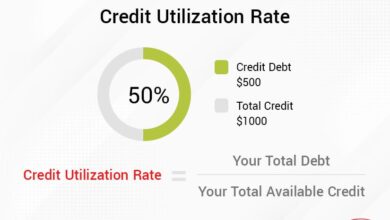
Credit utilization, which is the percentage of your available credit that you are currently using, also affects the credit limit determination process. Maintaining a low credit utilization ratio demonstrates responsible credit management and can increase your chances of getting a higher credit limit.
Your credit score is a numerical representation of your creditworthiness and is a key factor in determining the credit limit. A higher credit score indicates a lower credit risk and can result in a higher credit limit, while a lower credit score may lead to a lower credit limit.
Credit Score Importance
Your credit score plays a pivotal role in determining your credit limit. Credit card companies use your credit score to assess your creditworthiness and determine the risk of lending to you. A higher credit score often translates to a higher credit limit, as it signifies a history of responsible credit management and a lower likelihood of default. On the other hand, a lower credit score may result in a lower credit limit, as it indicates a higher credit risk.
Building a Strong Credit Profile
Building a strong credit profile is essential for securing a high credit limit and favorable terms on loans. Lenders look at your credit history to determine your creditworthiness, so it’s crucial to maintain a positive credit profile. Here are some strategies to help you build and maintain a strong credit profile:
Timely Payments and Low Credit Card Balances
- Make sure to pay your bills on time every month. Late payments can have a negative impact on your credit score and signal to lenders that you may be a risky borrower.
- Keep your credit card balances low relative to your credit limit. High credit card balances can indicate financial distress and may lower your credit score.
- Avoid maxing out your credit cards, as this can harm your credit utilization ratio, which is an important factor in determining your credit score.
Diverse Credit Mix
Having a diverse credit mix can also contribute to a strong credit profile. Lenders like to see that you can handle different types of credit responsibly. Here are some examples of different types of credit accounts that can help diversify your credit mix:
- Credit cards
- Auto loans
- Mortgages
- Personal loans
Maintaining a mix of installment loans and revolving credit accounts can demonstrate your ability to manage various financial responsibilities effectively.
Requesting a Credit Limit Increase
When you feel ready to request a credit limit increase, there are specific steps you can follow to increase your chances of a successful outcome. It’s essential to approach this process strategically to maximize your chances of a positive response from your credit card issuer.
Steps to Request a Credit Limit Increase
- Check your credit score: Before making a request, ensure that your credit score has improved since you opened the account. A higher credit score increases your chances of receiving a credit limit increase.
- Review your payment history: A history of on-time payments and responsible credit card usage can also work in your favor when requesting a credit limit increase.
- Contact your credit card issuer: Reach out to your credit card issuer through the customer service number provided on your credit card. Request a credit limit increase and be prepared to provide information about your income and any changes in your financial situation.
- Wait for a decision: After submitting your request, your credit card issuer will review your account and credit history to determine if a credit limit increase is possible. This process may take a few days.
- Receive a response: Your credit card issuer will notify you of their decision regarding your credit limit increase request. If approved, they will provide you with details about your new credit limit.
Tips for Requesting a Credit Limit Increase Effectively
- Choose the right timing: Request a credit limit increase after you have demonstrated responsible credit card usage, such as making on-time payments and keeping your credit card balance low.
- Be prepared with information: Have details about your current income and any positive changes in your financial situation ready to provide to your credit card issuer.
- Be polite and professional: Approach the request for a credit limit increase with a professional tone and be polite when communicating with your credit card issuer.
Potential Impact of a Credit Limit Increase on Credit Scores
- A credit limit increase can potentially have a positive impact on your credit score. It can lower your credit utilization ratio, which is the amount of credit you are using compared to the total credit available to you.
- By increasing your credit limit, you can reduce your credit utilization ratio, which may improve your credit score over time.
- However, it’s essential to continue practicing responsible credit card habits, such as making on-time payments and keeping your credit card balances low, to maintain a positive credit score.
Utilizing Credit Responsibly
Using credit responsibly is crucial when it comes to increasing your chances of obtaining a high credit limit. Responsible credit utilization demonstrates to lenders that you are a reliable borrower and can handle credit effectively.
Impact of Maxing Out Credit Cards on Credit Limits
Maxing out your credit cards can have a negative impact on your credit limits. When you reach the maximum limit on your credit cards, it can signal to lenders that you may be overextended financially and struggling to manage your debts. This can lead to a lower credit limit or even denial of a credit limit increase.
Best Practices for Managing Credit Cards
- Pay your bills on time: Timely payments show lenders that you are responsible and can be trusted with a higher credit limit.
- Keep your credit utilization low: Aim to keep your credit card balances below 30% of your total credit limit to show responsible credit management.
- Avoid opening multiple new accounts at once: Opening several new accounts can make you appear risky to lenders and could negatively impact your credit limit potential.
- Monitor your credit report regularly: By keeping an eye on your credit report, you can catch any errors or fraudulent activity that may be affecting your credit score and limit.
- Communicate with your creditors: If you are facing financial difficulties, reach out to your creditors to discuss potential solutions before missing payments. This proactive approach can help maintain a positive relationship with your lenders.
Ending Remarks
In conclusion, mastering the art of managing credit wisely and strategically can significantly boost your chances of securing a high credit limit. By implementing the insights shared in this guide, you are on the path to unlocking greater financial opportunities and stability.