How to Upgrade Your Existing Card to a Higher Credit Limit sets the stage for exploring the ins and outs of boosting your credit limit, a crucial step in managing your finances effectively.
This process involves understanding key factors to consider before making the request, navigating the steps involved in the increase process, and exploring alternative options if needed.






Factors to Consider Before Requesting a Credit Limit Increase
It’s crucial to evaluate certain factors before deciding to request a credit limit increase. Understanding how this decision can impact your financial situation is essential.
Review Your Current Financial Situation
Before requesting a credit limit increase, assess your current financial standing. Consider your income, expenses, and existing debts. Ensure that you have the means to handle a higher credit limit responsibly.
Impact on Credit Score
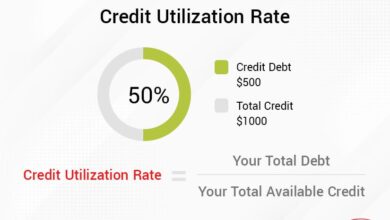
A higher credit limit can positively impact your credit score if utilized wisely. It can lower your credit utilization ratio, which is the amount of credit you’re using compared to your total available credit. However, be cautious as a higher limit may tempt overspending, leading to increased debt and potential credit score damage.
Maintaining a Good Payment History
Consistently making on-time payments is crucial for maintaining a good credit history. Before requesting a credit limit increase, ensure that you have a history of timely payments. A strong payment history demonstrates to creditors that you are a responsible borrower, increasing the likelihood of a successful credit limit increase request.
Understanding the Process of Requesting a Credit Limit Increase
When considering a credit limit increase, it’s important to understand the steps involved in the process to ensure a smooth experience. Additionally, knowing the difference between a hard inquiry and a soft inquiry when requesting a credit limit increase can impact your credit score. Timing is also crucial, so knowing the best time to request a credit limit increase is essential for success.
Steps Involved in Requesting a Credit Limit Increase
- Contact your credit card issuer either through their online portal, customer service hotline, or by visiting a branch.
- Express your interest in increasing your credit limit and provide any necessary information requested by the issuer.
- Wait for the issuer’s decision, which can be instant or take a few days depending on their process.
- If approved, your new credit limit will be communicated to you via mail, email, or through your online account.
Difference Between a Hard Inquiry and a Soft Inquiry
A hard inquiry occurs when a lender checks your credit report as part of their decision-making process. This can have a temporary negative impact on your credit score. On the other hand, a soft inquiry is a credit check that does not affect your credit score and is often used for pre-approval offers or periodic account reviews.
Best Time to Request a Credit Limit Increase
- Wait until you have a history of on-time payments and responsible credit card usage to increase your chances of approval.
- Avoid requesting a credit limit increase if you have recently applied for multiple lines of credit, as this could signal financial strain to the issuer.
- Consider requesting a credit limit increase after receiving a raise or promotion at work, as it can demonstrate increased financial stability.
Tips for Increasing Your Chances of Approval
Before requesting a credit limit increase, there are several strategies you can implement to enhance your chances of approval. Improving your credit score, demonstrating responsible credit card usage, and showcasing additional income or financial stability are key factors that can strengthen your request.
Improve Your Credit Score
One of the most crucial steps you can take to boost your chances of approval is to improve your credit score. A higher credit score indicates to the credit card issuer that you are a responsible borrower. Make sure to pay your bills on time, keep your credit card balances low, and avoid opening multiple new credit accounts at once.
Demonstrate Responsible Credit Card Usage
Showcasing responsible credit card usage is essential when requesting a credit limit increase. Make sure to use your credit card regularly for purchases you can afford to pay off in full each month. Avoid maxing out your credit card or carrying high balances, as this may signal financial instability to the issuer.
Show Additional Income or Financial Stability
If you have experienced an increase in income or improved financial stability, be sure to highlight this when requesting a credit limit increase. Providing evidence of additional income sources or stable employment can give the issuer more confidence in your ability to manage a higher credit limit responsibly.
Alternatives to Increasing Your Credit Limit
Opening a new credit card with a higher limit can be a viable alternative to increasing your current credit limit. By applying for a new card with a higher limit, you can effectively increase your overall available credit without impacting your existing card’s terms.
Transferring Balances to a Card with a Higher Limit
Transferring balances from your current credit card to one with a higher limit can help free up available credit on your existing card. This can potentially improve your credit utilization ratio and positively impact your credit score.
- Consider balance transfer offers with low or 0% introductory APR to save on interest charges.
- Be mindful of any balance transfer fees associated with moving your balances to a new card.
- Ensure you can make timely payments on the new card to avoid accruing more debt.
Consolidating Debt as an Alternative
Consolidating your debt through a personal loan or a debt consolidation program can be another alternative to increasing your credit limit. By combining multiple debts into one manageable payment, you can work towards paying off your balances more efficiently.
- Compare interest rates and terms of personal loans or consolidation programs to find the best option for your financial situation.
- Make a budget plan to ensure you can afford the new consolidated payment each month.
- Avoid accumulating new debt on your credit cards after consolidating to prevent further financial strain.
Closing Notes
In conclusion, upgrading your existing card to a higher credit limit is a strategic move that requires careful consideration and planning. By following the outlined tips and strategies, you can enhance your financial flexibility and creditworthiness.